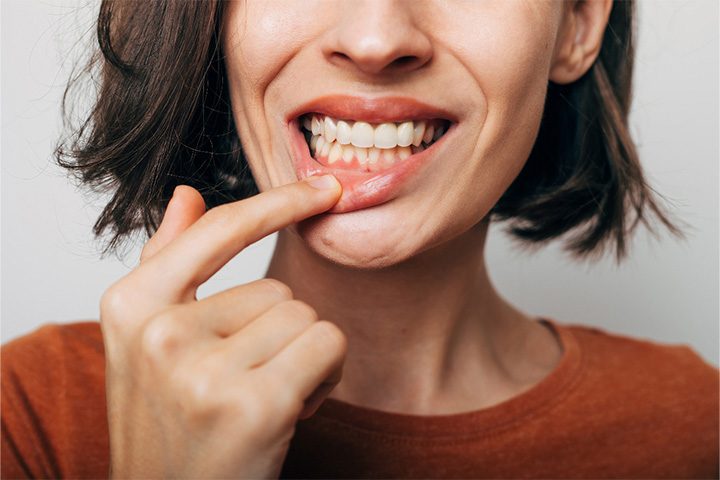
Teeth certainly matter to (and for) oral health, but they aren’t the only body parts that do. Your gum tissues also play significant roles, and your grin will suffer if they get infected. The good news is that our practice offers gum disease treatment in Danvers – a way to manage such an infection! Through it, we at Danvers Aesthetic Family Dentistry can strengthen your ailing gums. Learn more by reading below, or book a consultation with us soon.
Why Choose Danvers Aesthetic Family Dentistry for Gum Disease Treatment?
Board-Certified Periodontist on Staff
Warm & Friendly Dental Team
Customized Treatment Results
What is Gum Disease?
As suggested above, gum disease is an infection of your gums – the pink tissues around your teeth. It’s caused by large amounts of plaque that gather in your mouth from bad oral hygiene, poor eating, etc. Factors like genetics and smoking habits can also make the condition more likely.
The two main stages of gum disease are gingivitis and periodontitis. The former phase refers to a slight gum inflammation, which is irritating but reversible with good care. Periodontitis is a full-blown infection of the gum and jaw tissues, though; it’s irreversible and can’t be fully cured. That means gum disease’s second stage can only be managed at best.
Symptoms of Gum Disease
Since it has two separate stages, gum disease can show a great many symptoms. Which signs you show will depend on your condition’s severity, rate of progress, and more.
If you have gingivitis, it’ll likely manifest with fairly mild symptoms. These include:
Gum irritation and swelling
Chronic bad breath (i.e., halitosis)
Slightly receding gums
Bleeding gums
Periodontitis’ signs are harsher in comparison. After all, its most notable ones are:
Loose permanent teeth
Chewing pain
A shifting bite
Tooth sensitivity (often due to gum recession)
Changes in a restoration’s fit
Permanent loss of teeth
How Do We Treat Gum Disease?
In general, our office treats gum disease with two different procedures. The first is scaling and root planing, while the second is periodontal maintenance.
Scaling & Root Planing
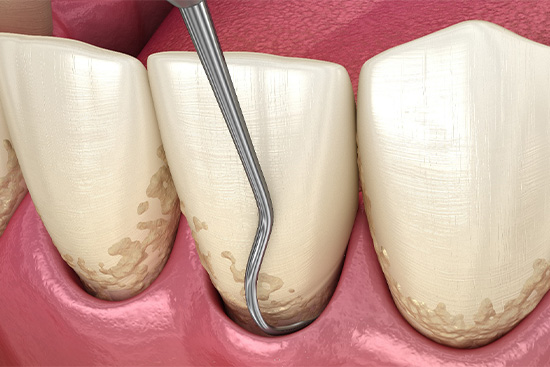
A two-step “deep cleaning” of your gums, scaling and root planing is the “traditional” gum disease treatment. Its first phase – scaling – removes plaque deposits from under and around your gums with special instruments. Once that’s done, root planing will smooth out your tooth roots to reduce your risk of reinfection. (This second step also helps your gums reattach.) With scaling and root planing together, a patient gets much healthier gums; the effect is even greater when combined with other options.
Do You Need Scaling & Root Planing?
Dr. Govostes can personally check your smile to see if you need scaling and root planing. Still, you should expect it to help if you have symptoms like:
Excessive plaque buildup
Swollen or puffy gums
Receding gum tissue
Sensitive, bleeding gums
Persistent bad breath (i.e., halitosis)
While good oral care can often reverse such signs, it won’t be enough if your infection is severe. You’ll need scaling and root planing for symptom reduction at that point.
The Process of Scaling & Root Planing
As a two-phase treatment, scaling and root planing consists of two main steps:
The treatment starts with what’s known as scaling. This step involves removing plaque and tartar from the teeth above and beneath the gum line. Given that fact, the dentist will use specially designed instruments to eliminate stubborn deposits of plaque.
Root planing is the second step of the procedure. A deep cleaning process, it smooths the tooth roots (after the initial scaling) because harmful bacteria would otherwise gather. That means root planing ultimately reduces the patient’s risk of gum inflammation.
Most cases of scaling and root planing are carried out during two visits. Often, both of these sessions involve a local anesthetic to prevent discomfort.
Aftercare Tips for Scaling & Root Planing
Scaling and root planing are invasive, so they often involve weeks of recovery. You should expect various oral aches and pains during this healing period. To manage them more effectively, please use the following tips:
Brush Gently – Gently brush your teeth with a soft-bristled toothbrush, making sure to use slow and circular motions. This approach prevents long-term gum irritation.
Swish Salt Water – For a few days post-treatment, rinse your mouth out with salt water. Swishing with it should reduce your gums’ irritation and loosen lingering debris.
Rest & Relax – Refrain from intense physical movement right after treatment. Otherwise, you’ll overwork your body and delay your healing progress.
Eat Carefully – Only have soft foods for the first few days after treatment. Similarly, avoid alcohol, acidic drinks, and anything spicy for a while.
Periodontal Maintenance
At its core, periodontal maintenance is a thorough cleaning of your gums. It removes plaque and tartar from above and below the gumline to keep your gums from getting “re-infected.” Normally provided after scaling and root planing, most dentists recommend three to four sessions of it per year. The frequency of your own appointments will depend on various factors, though; these include the speed of plaque formation, your home oral hygiene, etc.