Effects of Missing Teeth

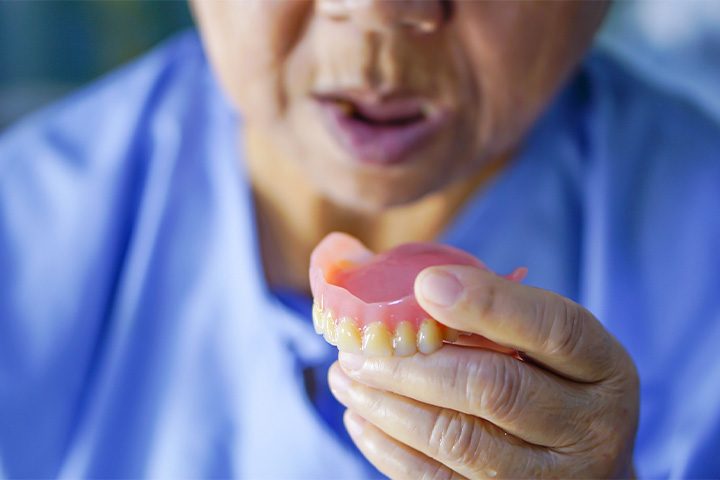
The inability to eat the foods you love, slurred speech, and low self-esteem are some of the effects of living with missing teeth. Whether it’s multiple gaps along a row or entire arches that remain bare, these obvious complications are not the only ones that affect you.
The longer your smile remains void of teeth, the faster your jawbone begins to resorb. This leads to facial collapse and additional tooth loss (if any natural teeth remain). Also, your chances of gum disease increase.
What Qualifies You for Dentures?
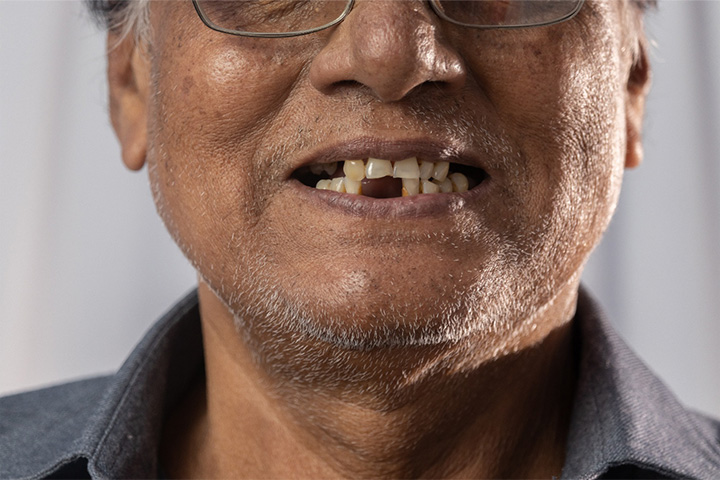
To be considered a candidate for dentures, you must agree to a consultation with one of our dentists. While most patients are cleared to receive custom prosthetics, your mouth must be in good shape to house your new teeth. This is why we will evaluate your oral health to ensure there are no signs of gum disease or dental decay. If so, we will address these problems before planning out your dentures.
As long as you have good general overall and oral health, we will outfit you with a customized full or partial denture.
Alternative Tooth-Replacement Options
It’s unlikely that you will require an alternative option to dentures. However, if you do but are unsure of what is available, here are two that you and your dentist can consider:
- Dental Bridge: When gaps leave your smile incomplete, we can fill them with a custom-made dental bridge. Using two dental crowns that flank a row of artificial teeth, we can position the bridge so that it anchors in place. We’ll ensure the two crowns are bonded to two healthy abutment teeth on either side of the gap, so your new smile stays in place.
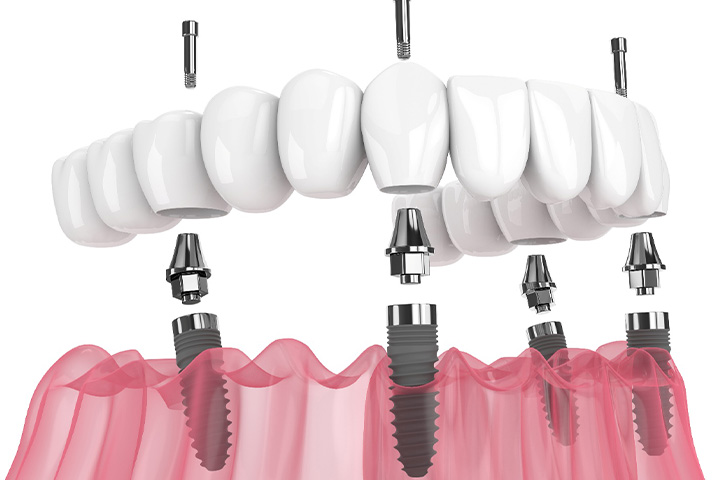
- Dental Implants: If you prefer a more permanent solution to tooth replacement, we can offer dental implants. Anchoring to your jawbone for maximum support, they work similarly to natural tooth roots, delivering continuous stimulation to the bone to prevent resorption and collapse. We can place an implant bridge or denture on top of the titanium implant posts to create a complete, fully functional smile.
Step 1: Impressions

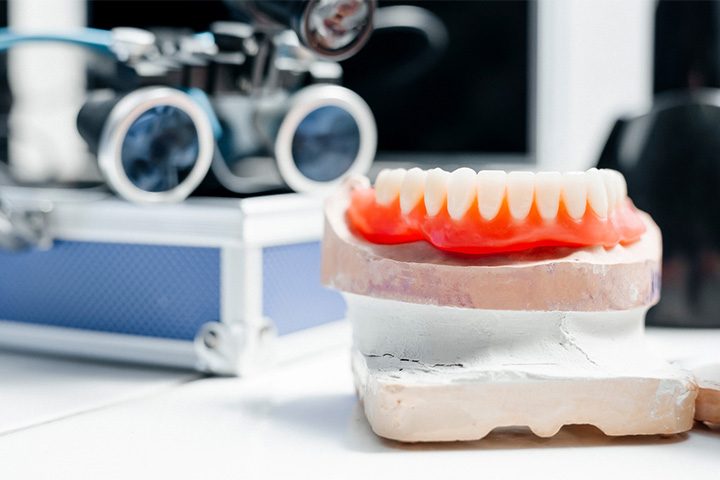
The process of getting dentures always begins with a consultation at our office so we can determine the best way to address your tooth loss. If dentures are the ideal option for you, our dentist will take precise measurements of your gums, existing teeth, and bite alignment. This data will be sent to a trusted dental lab where a skilled technician will use them to craft a customized appliance designed to restore the function and beauty of your smile.
Step 2: Wax Mold Creation
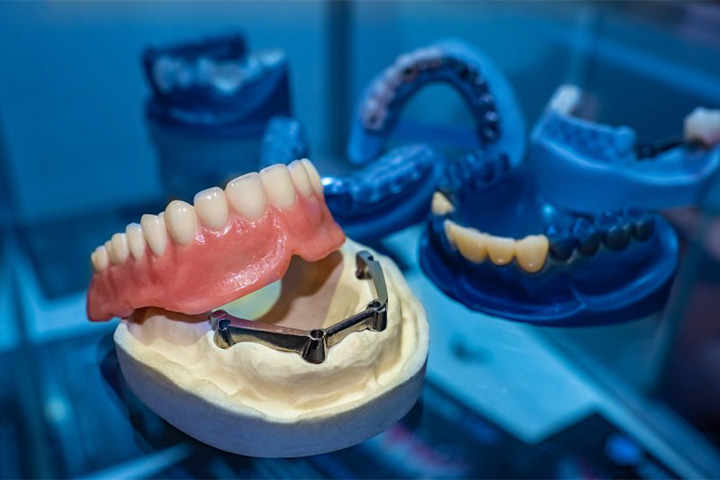
Based on the impressions taken at our office, the technician at the dental lab will create a wax model designed to match the shape of your gumline and set artificial teeth into it. When this wax prototype of your dentures is ready, it will be sent back to our office so you can try it on.
Step 3: Fit Check

Back at our Danvers office, you’ll try on the wax dentures to see how you like how they look and fit. Our dentist will be sure to ask about your preferences and take detailed notes regarding your input. Then, we’ll send the wax dentures back to the lab so they can be completed.
Step 4: Back to the Lab for Refinements
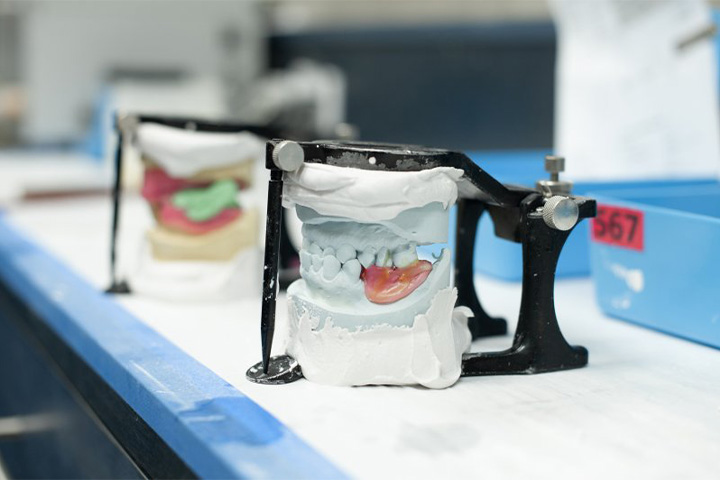
Back at the lab, the technician will place the wax dentures in a container called a flask and fill it with plaster. Then, they will boil the flask to melt away the wax portions and inject gum-colored acrylic into the empty spaces left in the plaster. They’ll also make holes in the artificial teeth to help them bond with the acrylic. After the material has hardened, the technician will remove the plaster from the device, trim away any flash, clean it in an ultrasonic bath, and polish your final dentures until they shine.
Step 5: Take Them Home!

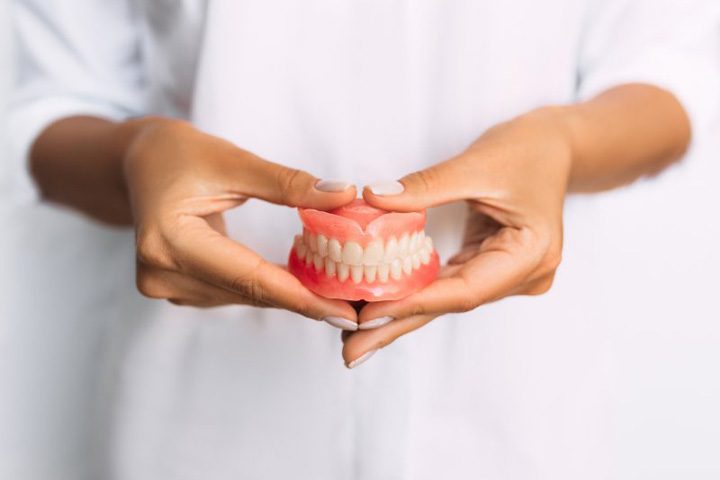
You’ll come back to our office after the final dentures arrive so you can try them on. After we check for bite and fit and make any final adjustments, you’ll be ready to begin showing off your gorgeous new smile. We’ll be sure to provide you with detailed care and maintenance instructions so you know exactly how to keep your dentures in excellent shape for life. While you can expect to need a little time to get used to wearing and speaking with your dentures, please contact our office if you notice worsening discomfort after several days or signs of infection like swelling, fever, or a nasty taste in your mouth.

Psychological Benefits

With dentures, you will notice a positive change in your psychological health, not just your physical appearance. Your actions and reactions can easily influence the mind, so instead of feeling defeated by your incomplete smile, you can enjoy what you see in the mirror. When you do, your mind will experience a boost in positivity, helping you embrace greater confidence each day.
Clear Enunciation

Instead of trying to talk to others with slurred speech, dentures can help you enunciate more clearly. Whether it’s co-workers, friends, or family, you no longer need to fear what you sound like when delivering a presentation or simply saying “hello.” Your dentures will fill in your face so that you can remain confident in your ability to form various sounds and words.
Improves Nutrition

An incomplete smile can affect what kind of foods you eat. Oftentimes, softer options lack the necessary nutrients your body needs to stay healthy. However, they are the easiest to consume when you are without a full set of teeth. Once you receive your dentures, you can begin eating denser foods that offer greater sustenance, all while improving your overall health and nutrition.
Preserves Oral Health

Dental drift is a real concern if you have multiple missing teeth. When spaces form along an arch, any natural teeth remaining may try to shift to close these gaps. If caught too late, it can lead to necessary orthodontic treatment to try to reposition and realign your smile. However, placing a partial denture can keep your natural teeth firmly in place.
Expands Opportunity

Although many people assume that dentures are only for those who are much older, they are for anyone who is without teeth. This means that, regardless of your age, you can wear these prosthetics and open up greater opportunities in the future. Whether it is professional endeavors you want to pursue or a boost of confidence you need to rejoin the dating scene, dentures can open doors that you may not have considered before.
Factors That Affect the Cost of Dentures
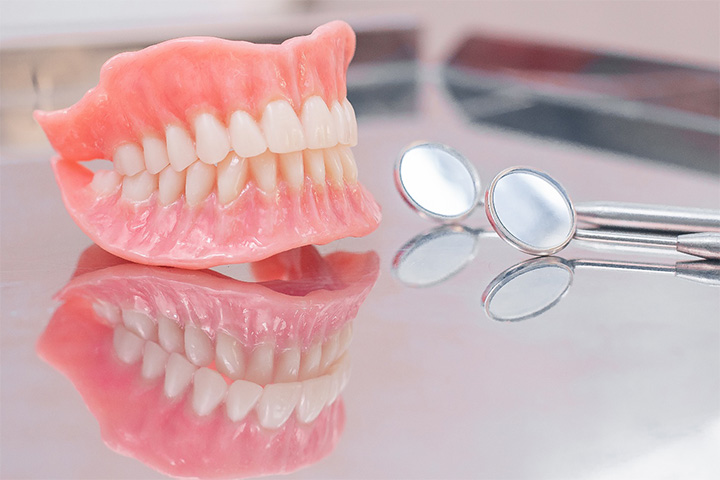
Our dentists will check factors affecting your dentures’ cost during the consultation. In particular, they’ll assess the following:
- Preparatory Care – Before they can get dentures, some patients need preparatory procedures like gum disease therapy or tooth extraction. These “add-ons” increase the treatment price.
- Type of Acrylic – In reality, a denture’s base can be made from various kinds of acrylic. Your care will be more or less expensive based on the type used.
- Type of Artificial Teeth – While acrylic denture teeth aren’t that costly, porcelain ones tend to have a higher price.
Note also that cheap dentures use poor materials. For that reason, you should pick a moderately-priced type to ensure a strong, restored smile.
Are Implant Dentures More Expensive?
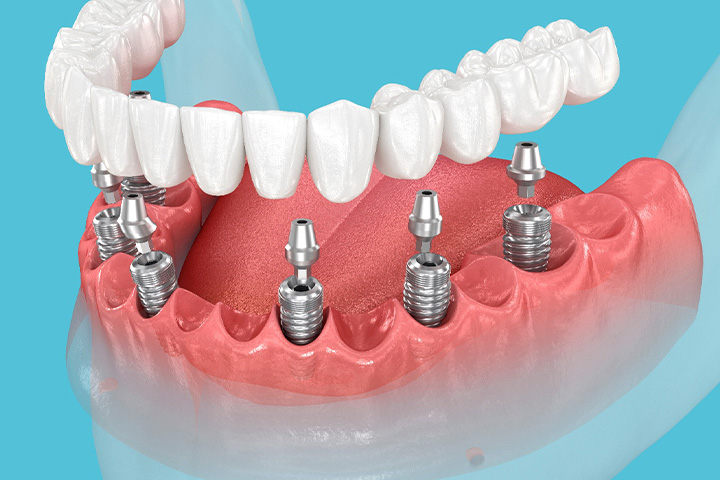
An implant denture costs more than a traditional one, but it’s an excellent investment regardless. The former has more perks than the latter.
Implant dentures don’t work like the standard kind. They use dental implants that fuse with your jaw, not adhesives, clasps, or suction; they’re thus highly stable and have little risk of falling out. These dentures are also capped with porcelain, so they make your final smile look incredibly natural and lifelike.
At the same time, implant dentures can save you loads of money. Since they can last for 30 years or more (with good care), they seldom need repair or replacement work. The result is that treatment leaves you with money that would have been spent to fix regular dentures or dental bridges.
Does Dental Insurance Cover Dentures?
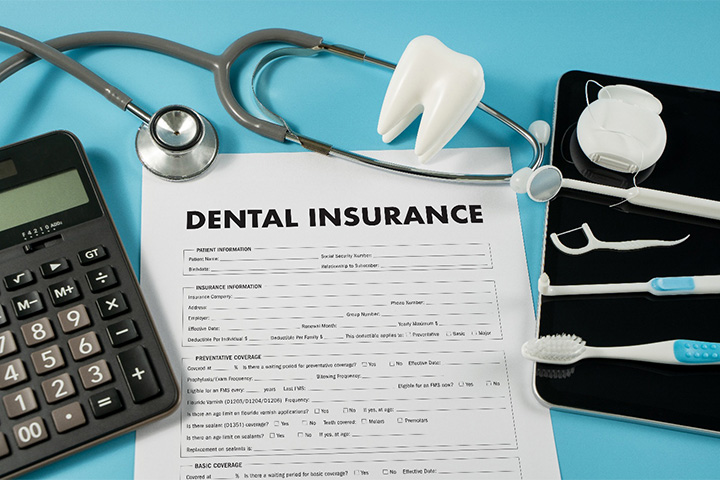
Most dental plans cover dentures, as they consider such time-tested prosthetics to be medically necessary. The typical policy will even cover 50% of the treatment cost, assuming you’ve met your deductible first.
Of course, exceptions to the points above also exist. There’s always a chance a given policy excludes denture coverage or has special rules regarding restorations. Given these facts, please confirm your benefits before you commit to any treatment.
Why Dentures are Worth Their Cost

Compared to tooth loss, dentures are entirely worth their cost. Money used to buy them is always well spent.
Going without teeth leads to costly issues, both figuratively and literally. Untreated tooth loss ruins your smile’s looks, increases your risk of gum infections, and forces you to get costly procedures later. Thankfully, dentures can restore your full and gorgeous grin and make oral health issues less likely.
To get the affordable dentures you want, you don’t need to “break the bank.” Just visit our office and let us make your final treatment budget-friendly!

Remove After Eating
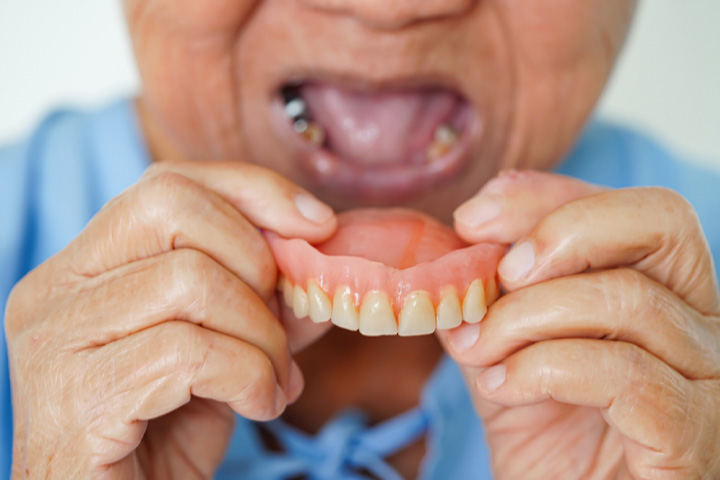
The first tip is to remove and rinse your dentures after you eat. Bits of food can easily cling to your prosthetics, so “keeping them in” will lead to bacterial buildup. In contrast, post-meal removals and rinses get rid of plaque and reduce your risk of oral issues.
(You mustn’t use hot water when rinsing your removed dentures. High temperatures could warp your devices’ materials, causing your treatment to fail.)
Clean Your Restoration
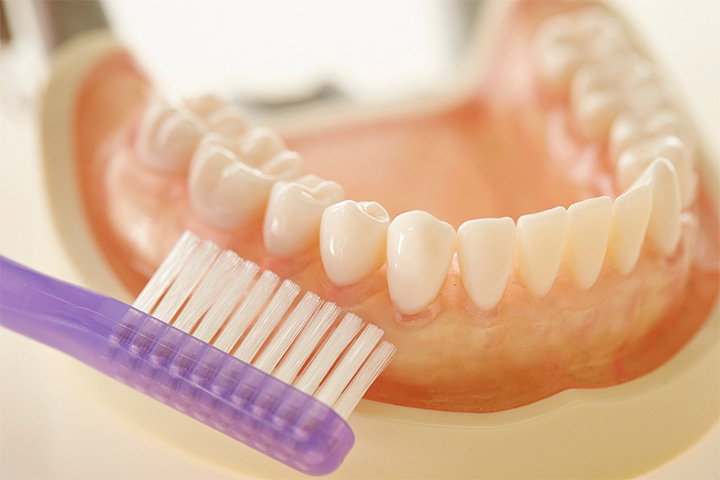
You should also give your dentures once-daily cleanings each evening. After all, this habit removes “leftovers” that light rinses can easily miss. It thus freshens up your dentures for when they return to your mouth.
To clean your dentures properly, you must do two things. One is to brush the prosthetics with a soft-bristled toothbrush and dish soap, rather than abrasive toothpaste. The second thing is to rinse your dentures thoroughly after you finish brushing.
Keep Your Dentures Safe
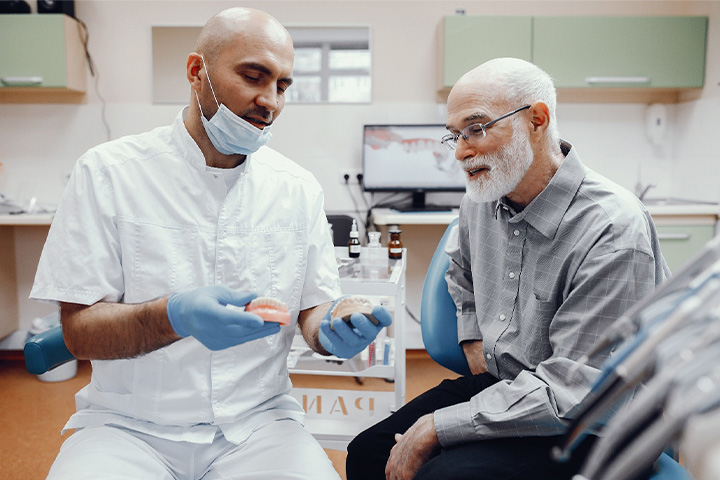
Dentures can (and sometimes do) break, despite their durability. You should thus keep them safe by adopting the appropriate methods. If you don’t, you could easily end up with cracked, chipped, or broken restorations.
Several methods could potentially protect your dentures. For instance, you could place a towel in your sink during the daily cleanings; this cloth would cushion your prosthetic from falls. Another idea is to store your dentures in a case, securing them from handsy pets and kids.
Remove Dentures When You Sleep
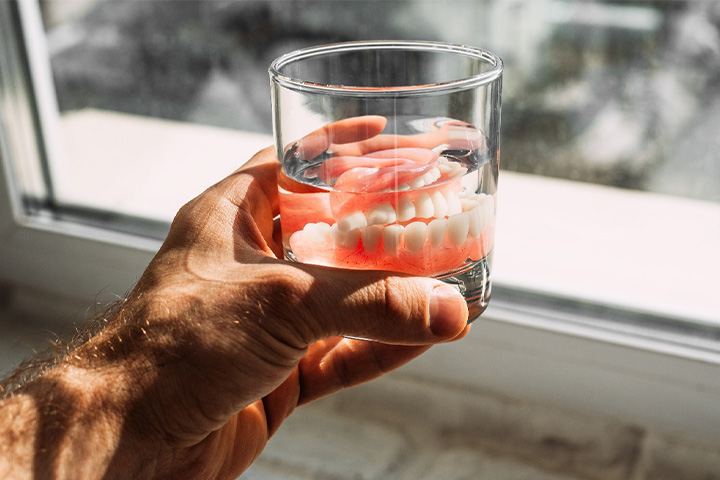
Even if you’re tempted to do otherwise, please remove your dentures before bed at night. Wearing them to sleep isn’t good for your body.
Indeed, overnight denture can cause various health issues. One example would be gum irritation, which can occur when your device restricts your gums’ circulation for too long. A second problem is high plaque levels that increase your risk of pneumonia and gum disease.
Notice Changes
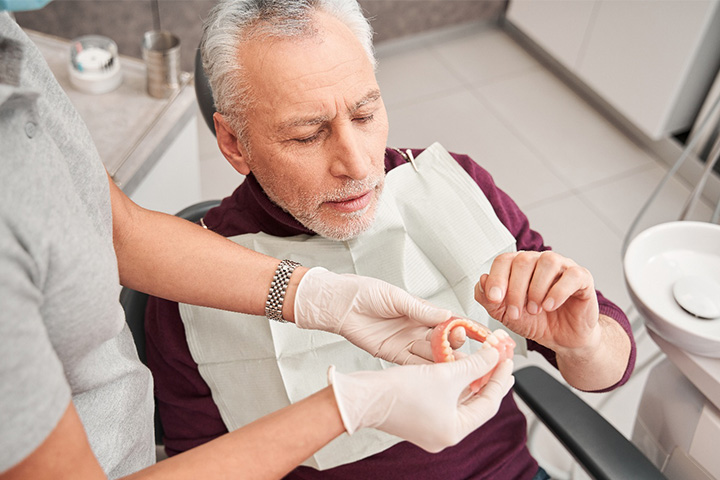
As best you can, check your dentures (and your mouth) regularly for changes as well. Some problems related to your prosthetics – irritated gums, mouth sores, etc. – may require professional help.
It’s especially vital that you see a dentist if your dentures get damaged. As it turns out, trying to fix such prosthetics yourself doesn’t work; that method puts your oral health at greater risk.